
When it comes to sustainable living, the role of sustainable and energy-efficient smart appliances cannot be overlooked. Imagine a world where your appliances work intelligently to conserve energy and reduce your carbon footprint without sacrificing convenience.
These cutting-edge devices aren’t just a trend — they’re a practical, everyday solution for a greener future. The question is: how can smart appliances actually revolutionize the way you interact with your home and the environment, and which ones are worth your money?
Benefits of Smart Appliances
Sustainable and energy-efficient smart appliances significantly reduce energy consumption in households, making them a cost-effective and environmentally friendly choice for modern homes. By incorporating advanced technology, these appliances optimize their energy usage based on your habits and preferences.
Imagine your dishwasher knowing the most energy-efficient time to run based on your schedule, or your smart thermostat adjusting the temperature when you’re away to save on heating and cooling costs.
Not only do smart appliances help you save on your energy bills, but they also contribute to a greener planet. With features like energy monitoring and remote-control capabilities, you can easily track and manage your energy usage, reducing waste and carbon emissions. Real-time notifications on your phone can alert you to energy spikes or inefficiencies, empowering you to make immediate changes and lower your environmental impact.
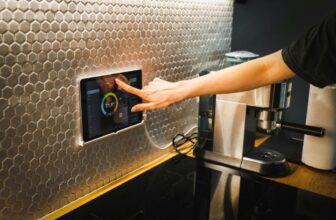
If you’re building out a connected household, pairing your appliances with the right smart home ecosystem makes it far easier to monitor everything from one dashboard instead of juggling separate apps for every device.
Energy Savings and Efficiency
Want to cut down on your energy bills while reducing your environmental impact? Energy savings and efficiency are the core benefits of sustainable and energy-efficient smart appliances. These appliances are designed to optimize energy usage by adjusting settings based on real-time data and user behavior. Many can communicate with utility providers to take advantage of off-peak hours when electricity is cheaper, helping you save money in the long run.
One of the main features driving energy savings is the ability of smart appliances to operate only when needed. Smart thermostats, for example, learn your schedule and adjust the temperature accordingly, reducing energy waste when you’re not at home, an approach covered in more detail in our guide to choosing the best smart thermostats for all seasons.
Similarly, smart refrigerators optimize their cooling cycles based on usage patterns, leading to lower energy consumption without any change in performance.
Environmental Impact Reduction
To further enhance your positive impact on the environment, consider how smart appliances play a significant role in reducing your carbon footprint. By incorporating energy-efficient smart appliances into your home, you can significantly decrease your overall energy consumption.
These appliances are engineered to operate more efficiently than traditional models, helping reduce greenhouse gas emissions and ease the strain on the environment.
Smart appliances often come equipped with advanced features such as energy-saving modes, improved insulation, and precise temperature control. These functionalities not only lower your energy bills but also have a measurable positive effect on the environment.
Some models can even be programmed to run during off-peak hours, when renewable energy sources are more readily available, further reducing their environmental footprint.
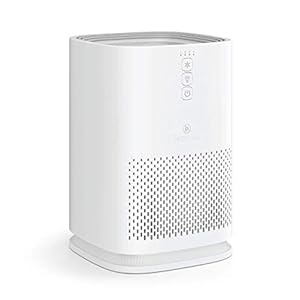
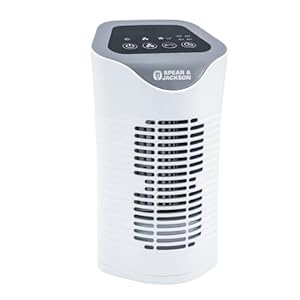
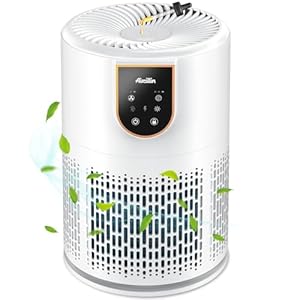
Moreover, smart appliances can lead to a decrease in water wastage, since they’re designed to optimize water usage during operation. This conservation of resources is essential for promoting sustainability and reducing your household’s overall environmental footprint. If indoor air quality is also part of your sustainability goals, an energy-efficient smart air purifier — like the Philips Air Purifier 600 Series with Smart Sensor — is a good example of low-power design paired with smart, sensor-driven operation.
Smart Home Integration
Consider integrating your home with cutting-edge technology to streamline daily tasks and enhance efficiency. Smart home integration allows you to control various appliances and systems remotely, providing convenience alongside real energy savings.
By connecting your appliances to a central hub or using voice commands, you can manage your home’s energy consumption more effectively than ever before.
Smart thermostats adjust temperature based on your preferences and habits, optimizing energy usage automatically. Lighting systems can be scheduled or automated to turn off when not in use, cutting electricity waste. Sustainable and energy-efficient smart appliances — including refrigerators and washing machines — can be set to operate during off-peak hours to lower energy costs even further.
Smart home integration also brings added security benefits, letting you monitor your home from anywhere through connected cameras and sensors. If you’re weighing whether these systems are worth adding alongside your appliances, our breakdown of whether smart home security devices are worth the investment is a useful next read. Investing in smart technology helps you build a more sustainable, efficient living environment while simplifying your daily routines.
Final Thoughts
Sustainable and energy-efficient smart appliances have moved well past the “nice-to-have” stage — they’re quickly becoming the standard for anyone who wants a lower energy bill and a smaller environmental footprint without giving up convenience. From smart thermostats that learn your schedule to sensor-driven air purifiers and appliances that shift usage to off-peak hours, the technology now pays for itself in ways that go beyond the sticker price.
The key is to start where it makes the biggest difference for your household — whether that’s your heating and cooling, your kitchen, or your laundry room — and build outward from there. Pair your appliances with a connected smart home setup, keep an eye on energy monitoring data, and you’ll find that sustainability and convenience aren’t a trade-off at all.
Frequently Asked Questions
Are smart appliances actually worth the higher upfront cost, or is it just marketing?
This is one of the most common questions people ask in home automation and personal finance communities online. In most cases, yes — sustainable and energy-efficient smart appliances typically cost more upfront, but the combination of lower utility bills, off-peak scheduling, and longer appliance lifespan (thanks to predictive maintenance alerts) usually offsets the price difference over a few years, especially for appliances you run daily like washing machines, dishwashers, and thermostats.
Do smart plugs and smart appliances really cut down on standby “vampire” power draw?
Yes. A recurring theme in online forums is skepticism about whether smart devices add more power draw than they save. In practice, well-designed smart appliances use very low standby power and can automatically switch off idle devices, which usually results in a net energy saving rather than a loss — though the savings are more noticeable when applied across several appliances rather than just one.
Which smart appliance gives the best return on investment for energy savings?
Smart thermostats are consistently mentioned as the highest-ROI upgrade, since heating and cooling make up the largest share of most home energy bills. Smart refrigerators and washing machines follow closely behind, particularly if your utility offers time-of-use pricing that rewards off-peak operation.
Do I need a full smart home ecosystem for energy-efficient appliances to work well?
No — individual smart appliances will save energy on their own. However, connecting them through a shared smart home ecosystem makes it easier to track combined energy usage, automate schedules across devices, and spot inefficiencies you’d otherwise miss when managing each appliance separately.
Are there any downsides to sustainable and energy-efficient smart appliances?
The main trade-offs people raise are higher initial cost, reliance on a stable Wi-Fi connection, and the occasional firmware update or app dependency. For most households, these are minor compared to the long-term savings, but it’s worth checking that any appliance you buy still functions in basic “offline” mode if your network goes down.
Trending Products