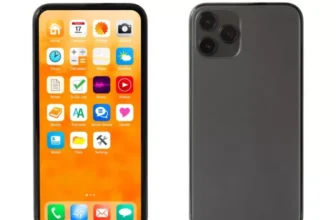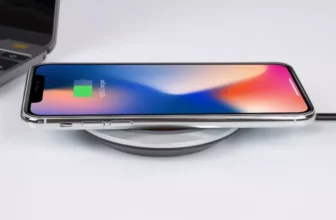

The modern smartphone has reached peak physical design, turning what used to be a rapid race of yearly innovations into a series of incremental updates. But beneath the surface, a quiet revolution is happening. From on-device artificial intelligence to groundbreaking battery chemistry, the next era of mobile tech is set to fundamentally change how we interact with our screens.
If you are tracking these shifts, keeping an eye on Future Smartphone Technologies is crucial. Below, we break down the major advancements, design shifts, and consumer-focused upgrades that will shape the next generation of mobile devices.
1. On-Device AI and Smarter Silicon
For years, artificial intelligence on our phones was limited to voice assistants sending queries to the cloud. The future lies in localized, on-device AI.
Next-generation Neural Processing Units (NPUs) built directly into mobile processors will allow complex large language models (LLMs) to run entirely offline. This means instant voice-to-text processing, real-time language translation, and complex photo editing can happen without an internet connection, keeping your personal data incredibly secure.
2. The Battle for Better Power: Next-Gen Battery Technology
If you browse tech discussions on Reddit, one trend stands out clearly: consumers care far more about battery life than any gimmick. While processors and screens have scaled up rapidly, lithium-ion battery capacities have historically struggled to keep pace.
Fortunately, change is coming:
-
Silicon-Carbon Batteries: Already making their way into early flagships, these batteries offer significantly higher energy density than traditional lithium-ion, allowing phones to remain incredibly thin while packing massive capacities.
-
Solid-State Batteries: The holy grail of battery tech. Solid-state batteries promise much faster charging times, longer overall lifespans, and zero risk of overheating or catching fire.
-
Extreme Fast-Charging: The industry is standardizing ultra-fast charging speeds of 80W and higher, allowing you to top up your device for an entire day in under 15 minutes.
3. Foldables, Relabels, and New Form Factors
Foldable smartphones have officially entered the mainstream, but the hardware is still maturing. Manufacturers are actively tackling the “crease” issue, utilizing ultra-thin flexible glass and advanced hinge mechanisms to make foldable displays completely seamless.
Beyond foldables, look out for rollable or slidable displays. These devices use motorized mechanisms to expand the screen horizontally, converting a standard compact phone into a tablet format without the bulk of a traditional fold.
4. Under-Display Cameras and Portless Designs
Our obsession with all-screen, bezel-less designs is finally reaching its logical conclusion. While early under-display camera (UDC) technology suffered from poor image quality, improved pixel array management is making these selfie cameras completely invisible without sacrificing photo clarity.
Additionally, we are marching toward a completely portless future. Led by advancements in high-speed wireless data transfer and fast Qi2 magnetic wireless charging, physical USB-C ports may soon disappear entirely, making smartphones more water-resistant and structurally sound.
Final Thoughts
The next decade of mobile technology is less about changing what a smartphone looks like and more about changing what it can do. As Future Smartphone Technologies evolve, our phones will transition from mere portal screens into highly integrated, deeply intelligent hubs capable of running sophisticated local AI while boasting batteries that easily clear multi-day hurdles.
Whether you are looking to upgrade your mobile setup or optimize your remote workspace with the best 2-in-1 laptops available today, staying ahead of these tech trends ensures you invest in devices built for the long run.
To explore more in-depth reviews and expert buyer guides on everything from smart tech to portable computing, head over to our comprehensive Smart Home AI UK Blogs page.
Frequently Asked Questions
Q1: Will smartphones ever be replaced by AR glasses or smart pins?
While devices like AR glasses and AI pins are fascinating, they are not replacing smartphones anytime soon. Reddit users frequently point out that the smartphone acts as a highly efficient, silent, and private computing interface. AR glasses will likely serve as a secondary “ambient computing” accessory to your phone rather than a standalone replacement in the near future.
Q2: Why is phone battery technology taking so long to improve?
Lithium-ion chemistry has hard physical limits; to make a battery hold more charge, you traditionally have to make it physically larger and heavier. However, the industry is currently transitioning to silicon-carbon anodes, which pack more energy into tight spaces without increasing the phone’s thickness.
Q3: When will smartphones with user-replaceable batteries return?
Thanks to new environmental regulations (particularly from the European Union), manufacturers are being pushed to make smartphone batteries consumer-replaceable by 2027. While we may not return to the plastic snap-on backs of the 2010s, future phones will likely use standard screws and minimal adhesives, allowing users to swap batteries easily using basic household tools.
Trending Products





![SAMSUNG Galaxy A16 5G Mobile Phone, 17 cm (6.7 inches), Double SIM, USB Type-C, 4 GB, 128 GB, 5,000 mAh, Green – [Italian, Hungarian, Polish, Romanian, Austrian, Swiss version]](https://m.media-amazon.com/images/I/41UZ2TRYs5L._SS300_.jpg)
![Samsung Galaxy A16 (A165) Dual LTE 128GB 4GB RAM Black – [Italian, Hungarian, Polish, Romanian, Austrian, Swiss version]](https://m.media-amazon.com/images/I/31kt7E-6zvL._SS300_.jpg)